
Best Freshwater Algae Eaters: Fish, Shrimp & Snails Guide
A breakdown of which fish, shrimp, and snails eat which type of algae, plus tank size guides and common algae-eater mistakes to avoid.

✓Aanbevolen Uitrusting
This article contains affiliate links. We may earn a small commission at no extra cost to you. Learn more
Your tank glass turned green overnight, and you've already scrubbed it three times this week. Somewhere online you read that fish, shrimp, or snails can do this job for you. But here's the catch — not every "algae eater" actually eats the algae growing in your tank.
Quick Answer: The best freshwater algae eaters are Siamese algae eaters, otocinclus catfish, nerite snails, and Amano shrimp — each one targets a different algae type. In ponds and open water, snails, certain fish, sea urchins, and even turtles eat algae. No single species eats every algae type, so most tanks need two or three algae eaters working together.
What Eats Algae in a Freshwater Tank?
Fish, shrimp, and snails are the three main groups of algae eaters, and each specializes in a different algae type. Green film algae, brown diatoms, and stringy hair algae all respond to different cleanup crews [1]. That's why one "algae eater" fish rarely solves a full outbreak on its own.
Here's how the algae types break down:
- Green film algae (soft, coats glass) → nerite snails, otocinclus catfish
- Brown diatoms (dusty, new-tank algae) → otocinclus, bristlenose plecos
- Hair or thread algae (stringy green strands) → Amano shrimp, Siamese algae eaters
- Blue-green algae (slimy, blue-green sheets) → not eaten by most fish; it's actually a bacteria and needs manual removal
Blue-green algae, or cyanobacteria, trips up a lot of new keepers. It looks like algae, smells musty, and no fish wants to touch it.
If you're seeing this slimy film, an algae eater won't fix it — you'll need better water flow and lower nutrients instead. Our guide to common algae problems breaks down exactly which type you're dealing with and how to fix it.
Pro Tip: Identify your algae type before buying any "algae eater." A Siamese algae eater in a tank full of diatoms will mostly ignore the mess.
For everyday manual cleanup between feedings, an API Algae Scraper handles the glass so your fish don't have to do all the work.
Fish That Eat Algae
Siamese algae eaters, otocinclus catfish, and bristlenose plecos are the three most reliable algae-eating fish for freshwater tanks. Each one fills a slightly different role, and picking the wrong one is a common beginner mistake.
Siamese Algae Eater (Crossocheilus oblongus)
This is one of the only fish that reliably eats black beard algae, a tough, dark, bristly algae most species avoid. It grows to about 6 inches and needs a tank of 20 gallons or more, since it's an active swimmer that does best in groups of three or more.
Check out our guide to setting up a 20-gallon tank if you're building a home for a small algae-eating crew.
Otocinclus Catfish
Otocinclus, often called "otos," stay tiny at just 1.5 to 2 inches. They're excellent at clearing soft green film and brown diatoms off glass and plant leaves.
They're also sensitive to poor water quality, so they only belong in tanks that have been running for at least 6-8 weeks. Add them too early and you risk losing them to new-tank stress.
Bristlenose Pleco
Bristlenose plecos grow to roughly 5 inches — much smaller than the common pleco sold as "algae eaters" at big-box stores, which can hit 18 inches. They graze algae off glass, driftwood, and decorations around the clock at night.
Bottom line: match the fish to the algae type and the tank size, not just the "algae eater" label on the tank.
Shrimp and Snails That Eat Algae
Amano shrimp and nerite snails are the two hardest-working invertebrates for algae control, and neither one bothers plants. Unlike some algae-eating fish, they won't outgrow a small tank or turn aggressive as adults.
Amano Shrimp
Amano shrimp are famous for eating hair algae faster than almost any fish. A group of 6-10 shrimp can noticeably clear a 20-gallon tank within a couple of weeks.
Check out our Amano shrimp care guide for tank mates, water parameters, and molting care — shrimp have very different needs than fish.
Nerite Snails
Nerite snails eat green film and diatoms nonstop and won't reproduce in freshwater, so you don't have to worry about a snail population explosion. They're one of the safest picks for planted tanks as small as 5-10 gallons.
Pro Tip: Combine one nerite snail per 5-10 gallons with a few Amano shrimp. Together they cover both film algae and hair algae without competing for the same food.
Other options worth knowing:
- Ramshorn snails — eat soft algae but reproduce quickly if overfed
- Mystery snails — bigger, eat film algae, but eat some soft plants too
- Malaysian trumpet snails — burrow in substrate and eat algae plus leftover food
What Eats Algae in a Pond?
In outdoor ponds, grass carp, koi, snails, and even ducks or turtles all eat algae — but grass carp are the most efficient at clearing large blooms. Pond algae control works differently than tank algae control because the volume of water is so much larger.
Grass carp are stocked in many managed ponds specifically for vegetation and algae control, and research on aquatic weed management confirms they can dramatically reduce plant biomass when stocked correctly [2]. However, many states regulate or ban grass carp because they can escape into wild waterways and damage native plants.
Koi and goldfish nibble at soft algae too, but they're not efficient enough to control a full bloom alone. Ramshorn and pond snails also graze pond walls and rocks, though they work far more slowly than fish.
- Grass carp — best for large algae blooms, regulated in many states
- Koi — light grazing, mostly ornamental
- Pond snails — slow but steady, good for smaller ponds
- Turtles and ducks — opportunistic algae eaters, not reliable control
Bottom line: ponds usually need a mix of biological control, reduced nutrient runoff, and mechanical skimming — no single pond animal eats algae fast enough on its own.
What Eats Algae in the Ocean and Lakes?
In the wild, sea urchins, parrotfish, snails, and zooplankton are the biggest algae consumers, and they play a critical role in reef and lake health. Without these grazers, algae can overgrow coral reefs and choke out other aquatic life.
Sea urchins graze so heavily on reef algae that their die-offs have historically triggered algae overgrowth on entire reef systems [3]. Parrotfish serve a similar role, scraping algae off coral with their beak-like teeth all day long.
In freshwater lakes, zooplankton like Daphnia eat microscopic algae, while snails and certain minnows graze visible algae mats. This natural balance is exactly what a home aquarium tries to recreate on a smaller scale — just with fewer species doing more of the work.
Best Algae Eaters for Small Tanks
For tanks under 20 gallons, nerite snails and otocinclus catfish are better choices than Siamese algae eaters or plecos, which need more swimming room. Tank size is one of the most overlooked factors when picking algae eaters.
| Algae Eater | Min. Tank Size | Best Algae Type | Small Tank Rating |
|---|---|---|---|
| Nerite Snail | 5 gallons | Green film, diatoms | Excellent |
| Otocinclus Catfish | 10 gallons (group of 3+) | Film algae, diatoms | Good |
| Amano Shrimp | 10 gallons | Hair algae | Good |
| Siamese Algae Eater | 20 gallons | Black beard, hair algae | Fair |
| Bristlenose Pleco | 20 gallons | General grazing | Fair |
If you're working with a nano setup, our 15-gallon tank guide and 20-gallon tank guide both cover exactly which cleanup crews fit each footprint.
Pro Tip: Never add more than 2-3 nerite snails per 5 gallons. They can't reduce their bioload once the algae runs out, and overcrowding leads to ammonia spikes.
Common Mistakes People Make With Algae Eaters
The biggest mistake is expecting algae eaters to replace regular water changes and filter maintenance — they help, but they don't fix the root cause of algae blooms. Updated August 2026: this remains the #1 issue reported in aquarist forums and keeper surveys.
Algae grows because of excess light, nutrients, or both. Adding fish without addressing either cause just delays the next bloom. Excess phosphates and nitrates from overfeeding are a leading driver of algae outbreaks in home aquariums [4].
Other frequent mistakes:
- Buying a common pleco for a small tank — it outgrows most home aquariums within a year
- Skipping the algae ID step — mismatched eaters won't touch cyanobacteria or beard algae
- Overdosing liquid carbon to kill algae faster than labeled — this stresses fish and shrimp
- Adding algae eaters to an uncycled tank — most species need stable water first
(Estimates only — actual prices on Amazon may vary.) A liquid carbon supplement like Seachem Flourish Excel runs $10-20 and can help control algae growth when dosed correctly alongside a cleanup crew — not as a replacement for one.
For water testing before adding any livestock, the API Freshwater Master Test Kit confirms your tank is cycled and safe.
What to Feed Algae Eaters When the Algae Runs Out
Once your algae eaters clear the tank, you need to supplement their diet — most species will starve if left with nothing to graze. This is one of the most searched follow-up questions, and it's often overlooked until fish start losing weight.
Otocinclus and plecos need blanched vegetables like zucchini or cucumber a few times a week once algae is scarce. Sinking wafers also fill the gap between natural algae growth cycles.
- Sinking algae wafers — daily supplement for otocinclus and plecos
- Blanched zucchini or spinach — 2-3 times weekly, remove after 24 hours
- Algae rocks or pre-grown media — rotate in from a sump or side tank
Hikari Tropical Algae Wafers are a solid staple food that keeps algae eaters healthy even during lean weeks.
Ready to upgrade your setup? Pair a scraper and a bag of algae wafers so your cleanup crew never goes hungry between blooms.
Aanbevolen Uitrusting
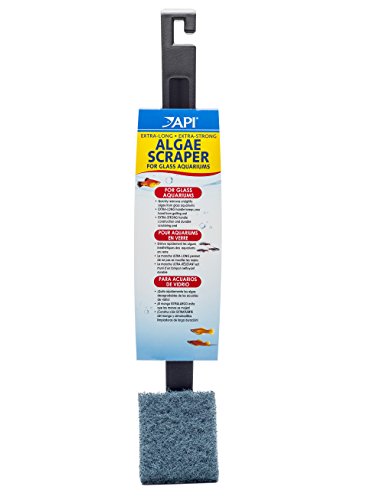
API Algae Scraper
Long-handled scraper reaches algae biological eaters miss
Check Price on Amazon
Seachem Flourish Excel
Liquid carbon supplement that slows algae regrowth when dosed correctly
Check Price on AmazonAPI Freshwater Master Test Kit
Confirms your tank is cycled before adding sensitive algae eaters
Check Price on Amazon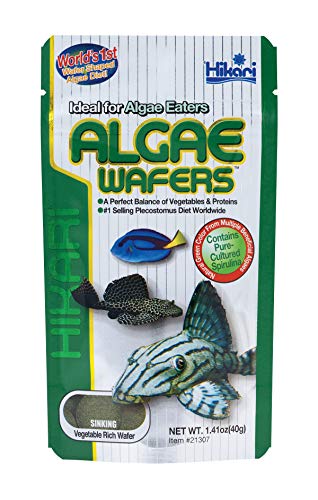
Hikari Tropical Algae Wafers
Sinking staple food that keeps algae eaters healthy between blooms
Check Price on Amazon

