
Pleco Tank Setup Guide: Size, Decor, and Care Tips (2026)
Learn how to set up the perfect pleco tank with this comprehensive guide. Discover tank size, decor, and care tips to ensure your pleco thrives.

✓Recommended Gear
*This article contains affiliate links. We may earn a small commission at no extra cost to you. Learn more
You just brought home your first pleco and you're looking at a bare tank, wondering where to start. Let's get you set up for success!
Quick Answer: The ideal pleco tank is at least 40 gallons and should include a robust filtration system, plenty of hiding spots, and a varied diet to ensure a healthy and happy fish.
Plecos In Short
Plecos, or plecostomus, are a popular addition to freshwater aquariums. Known for their algae-eating habits and unique appearance, plecos can bring a lot of character to your tank. However, they require specific care and tank conditions to thrive.
Are Plecos Easy To Keep?
Plecos are generally easy to keep, but their care can vary depending on the species. Common plecos, for example, can grow quite large and require a spacious tank, while smaller species like bristlenose plecos are more manageable. Proper research and setup will ensure your pleco stays healthy and happy.
Different Types Of Pleco
There are over 150 species of plecos, each with unique characteristics. The most common species include the common pleco, bristlenose pleco, and clown pleco. Each has different size, dietary, and tank setup requirements.
- Common Pleco (Hypostomus plecostomus): Grows up to 24 inches and requires a 75+ gallon tank.
- Bristlenose Pleco (Ancistrus sp.): Grows up to 6 inches and is suitable for 20-40 gallon tanks.
- Clown Pleco (Panaque mikkeli): Grows up to 5 inches and prefers a 30-40 gallon tank.
Pro Tip: Research the specific species of pleco you plan to keep to tailor your setup accordingly.
Appearance
Plecos are known for their unique appearance. They have an armored, flat-bellied body and a suction-cup mouth. Most plecos are dark-colored with patterns that help them blend into their environment.
- Common Pleco: Brown with dark spots and a thick, robust body.
- Bristlenose Pleco: Lighter in color with distinctive fleshy tentacles on the head.
- Clown Pleco: Black body with bright orange or yellow stripes.
Size
Pleco size varies significantly by species. Common plecos can grow up to 24 inches and need a large tank, while bristlenose and clown plecos are much smaller, reaching 6 inches and 5 inches respectively.
Behavior
Plecos are generally peaceful and nocturnal. They spend most of their day hiding and become active at night, when they search for food and explore their environment. They can be territorial, especially with other bottom-dwelling fish.
Lifespan
Plecos can live up to 10-15 years with proper care. The key to a long lifespan is maintaining a clean tank, providing a nutritious diet, and avoiding stress.
Tips for Extending Your Plecos Lifespan
Maintaining a clean tank and a balanced diet are crucial for a pleco's longevity. Regular water changes, adequate hiding spots, and a varied diet that includes vegetables and algae wafers can help extend your pleco's lifespan.
- Regular Water Changes: Change 20-30% of the water weekly to keep harmful toxins at bay.
- Adequate Hiding Spots: Provide caves, driftwood, and densely planted areas to reduce stress.
- Balanced Diet: Offer a mix of algae wafers, blanched vegetables, and occasional live foods.
What Do Pleco Like In The Wild?
Plecos are native to South American rivers and streams. In the wild, they prefer slow-moving, heavily planted waters with plenty of hiding spots and natural algae. Replicating these conditions in your tank can help your pleco feel more at home.
How To Setup A Pleco Tank
The first step in setting up a pleco tank is choosing the right tank size. Common plecos need a 75+ gallon tank, bristlenose plecos are happy in a 20-40 gallon tank, and clown plecos do well in a 30-40 gallon tank.
Tank Size and Shape
- Tank Size: The tank should be at least 40 gallons for most pleco species.
- Tank Shape: A rectangular tank with a large surface area is ideal, as it provides more swimming space and better water flow.
Filtration System
Plecos produce a lot of waste, so a powerful filtration system is essential. Opt for a canister filter or a high-quality hang-on-back filter that can handle 5-10 times the tank volume per hour.
- Canister Filter: Best for larger tanks, quiet, and efficient at removing waste.
- Hang-On-Back Filter: Easier to install and maintain, suitable for smaller tanks.
Pro Tip: Consider the Fluval FX4 Canister Filter for a 75+ gallon tank. It’s highly rated and can keep your water crystal clear. Check price on Amazon
Tank Decor
Plecos love to hide and explore, so tank decor is crucial. Include caves, driftwood, and rocks to mimic their natural habitat.
- Caves: Provide 2-3 caves per pleco to ensure they have safe hiding spots.
- Driftwood: Use large pieces of driftwood to create natural hiding spots and grazing areas.
- Rocks: Add smooth, rounded rocks to avoid injury.
Pro Tip: Seachem Matrix is a great choice for a biological filter media. It provides a large surface area for beneficial bacteria to thrive. Check price on Amazon
Substrate
Plecos prefer a soft, sandy substrate. This mimics their natural riverbed environment and is less likely to damage their sensitive barbels.
- Sandy Substrate: CaribSea Super Naturals Special Echo is a popular choice. It’s soft and provides a natural look. Check price on Amazon
- Gravel: If you prefer gravel, make sure it’s smooth and fine-grained to avoid injury.
Lighting
Plecos are nocturnal, so they don’t need intense lighting. A standard LED aquarium light is sufficient, but avoid direct sunlight to prevent algae overgrowth.
- Indirect Lighting: Currentusa Satellite LED offers a natural, diffused light that doesn’t stress your pleco. Check price on Amazon
- Avoid Direct Sunlight: Place your tank away from windows to avoid excessive algae growth and temperature fluctuations.
Fluval FX4 Canister Filter
Highly rated and efficient for larger tanks, ensuring clean water and a healthy environment.
Seachem Matrix
Provides a large surface area for beneficial bacteria, improving water quality.
CaribSea Super Naturals Special Echo
Soft and natural-looking substrate that mimics their riverbed environment.
Quick Facts
Tank Size
40 gallons+
Minimal for most species
Filtration
5-10x tank volume per hour
Essential for clean water
Substrate
Soft, sandy
Protects barbels
Lighting
Standard LED
No direct sunlight
Hiding Spots
Caves, driftwood, rocks
Reduces stress
Male Vs Female
Identifying the sex of plecos can be challenging. Generally, males have larger, more prominent head tentacles and a more angular head, while females have a rounder body and smaller tentacles.
- Males: Larger head tentacles, more angular head.
- Females: Rounder body, smaller tentacles.
Pleco Diet
Plecos are omnivores and require a varied diet. They eat algae, plant matter, and small amounts of meaty foods. A balanced diet ensures good health and a longer lifespan.
- Algae Wafers: Hikari Sinking Wafers are a great staple food. Check price on Amazon
- Blanched Vegetables: Zucchini, peas, and spinach are excellent for dietary variety.
- Live Foods: Bloodworms and brine shrimp can be offered as occasional treats.
Equipment Checklist
Everything you need to get started
Pleco Tank Mates
Plecos are generally peaceful and can coexist with a variety of tank mates. However, avoid keeping them with aggressive fish or other bottom-dwellers to prevent territorial disputes.
- Peaceful Community Fish: Tetras, guppies, and corydoras catfish are good choices.
- Avoid Aggressive Fish: Angelfish, Oscars, and cichlids can be too aggressive.
Pleco Plants
Plecos can coexist with live plants, but some species may nibble on them. Choose sturdy, fast-growing plants to minimize damage.
- Fast-Growing Plants: Java fern and anubias are resistant to pleco nibbling.
- Avoid Fragile Plants: Cabomba and water hyacinth can be easily damaged.
Pleco Breeding
Breeding plecos can be a rewarding challenge. Most species require specific conditions and may need a breeding cave to encourage spawning.
- Water Parameters: Maintain pH 6.5-7.5, temperature 77-82°F, and moderate water flow.
- Feeding: Offer a high-protein diet to prepare the fish for breeding.
- Breeding Cave: Provide a cave or PVC pipe for the male to attract a female.
Pro Tip: Seachem Flourish can help support plant growth and health in your breeding tank. Check price on Amazon
Common Mistakes
Avoiding common mistakes can save you a lot of headaches. Here are some to watch out for:
- Underestimating Tank Size: Plecos, especially common plecos, need a lot of space to grow and thrive. A 40-gallon tank is a minimum for most species.
- Ignoring Filtration: Plecos produce a lot of waste, so a powerful filtration system is crucial.
- Overfeeding: While plecos are hungry, overfeeding can lead to health issues and poor water quality.
- Lack of Hiding Spots: Plecos need caves and driftwood to feel secure and reduce stress.
Correct Tank Setup vs Incorrect Tank Setup
Side-by-side comparison
| Feature | Correct Tank Setup | Incorrect Tank Setup |
|---|---|---|
| Tank Size | ★40 gallons+ | Less than 20 gallons |
| Filtration | ★Powerful filter | Weak filter |
| Feeding | ★Balanced diet | Overfeeding |
| Hiding Spots | ★Plenty | None |
Our Take: A correct tank setup ensures your pleco thrives, while an incorrect setup can lead to health issues and stress.
Key Takeaways
- Tank Size: At least 40 gallons.
- Filtration: 5-10 times the tank volume per hour.
- Diet: Algae wafers, blanched vegetables, and occasional live foods.
- Tank Mates: Peaceful community fish, avoid aggressive species.
- Hiding Spots: Caves, driftwood, and rocks.
Key Takeaways
What you need to know
Tank size should be at least 40 gallons
Use a powerful filtration system
Provide a varied diet including algae wafers and vegetables
Choose peaceful tank mates and avoid aggressive species
Include caves, driftwood, and rocks for hiding spots
Recommended Gear

Fluval FX4 Canister Filter
Highly rated and efficient for larger tanks, ensuring clean water and a healthy environment.

Seachem Matrix
Provides a large surface area for beneficial bacteria, improving water quality.

CaribSea Super Naturals Special Echo
Soft and natural-looking substrate that mimics their riverbed environment.
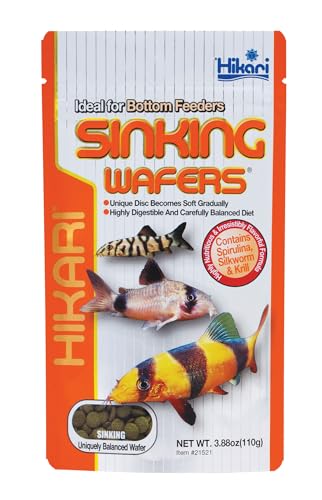
Hikari Sinking Wafers
A staple food that provides essential nutrients and is easy to digest.
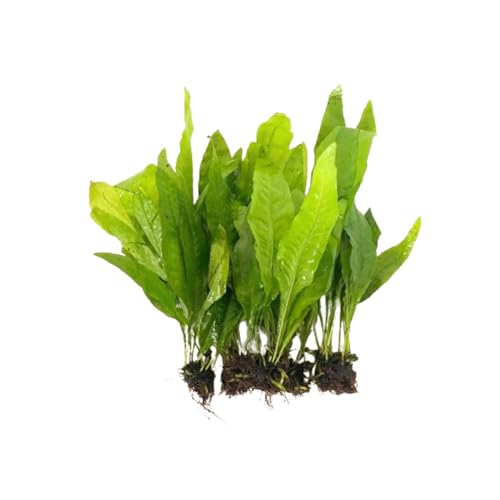
Java Fern
Sturdy and fast-growing, ideal for plecos that love to nibble on plants.
Seachem Flourish
Supports plant growth and health, essential for a thriving pleco breeding tank.
Frequently Asked Questions
References & Sources
- https://www.thesprucepets.com/bristlenose-catfish-1380837
- https://www.petmd.com/fish/care/how-plan-single-species-aquarium
- https://www.thesprucepets.com/aquarium-catfish-breeds-5115234
- https://www.petmd.com/fish/conditions/systemic/new-tank-syndrome-fish
- https://www.thesprucepets.com/how-do-i-upgrade-an-aquarium-1378750
- https://www.thesprucepets.com/add-fish-to-an-aquarium-1378776


