
Siamese Fighting Fish Fin Rot: Causes, Symptoms, Treatment
This article contains affiliate links. We may earn a small commission at no extra cost to you. Learn more Siamese fighting fish fin rot is one of the most…

✓Recommended Gear
This article contains affiliate links. We may earn a small commission at no extra cost to you. Learn more
Siamese fighting fish fin rot is one of the most common health problems betta keepers run into. It shows up as ragged, discolored fin edges that get worse over time if you ignore them. The good news is that fin rot is treatable, and in most cases you can fix it at home with a few water changes and the right supplies. This guide covers what causes fin rot in Siamese fighting fish, how to spot it early, and the exact steps to treat it before it spreads.
TL;DR: Fin rot in Siamese fighting fish is usually caused by poor water quality, stress, or an injury that lets bacteria or fungus take hold. Catch it early, do daily 20-30% water changes, add aquarium salt, and use a betta-safe antibacterial medication if things don't improve within a few days. Prevent fin rot in Siamese fighting fish long-term by keeping ammonia and nitrite at zero and nitrates below 20 ppm.
What Is Fin Rot in Siamese Fighting Fish?
Fin rot is a bacterial or fungal infection that eats away at a fish's fins. It's especially common in Siamese fighting fish because their long, flowing fins are delicate and easy to damage. Once the fin's protective slime coat breaks, opportunistic bacteria move in fast.
You'll usually notice it first at the fin's edge. The tissue turns black, brown, or white, and it looks frayed or torn instead of smooth. Left untreated, fin rot in Siamese fighting fish can spread toward the body and become life-threatening.
Fin rot isn't picky about which fin it hits, either. It can show up on the tail, the dorsal fin, or the anal fin, and sometimes all three at once.
What Causes Fin Rot in Betta Fish?
Fin rot doesn't come out of nowhere. It's almost always tied to stress or poor water quality. Common triggers include:
- Dirty water. Ammonia and nitrite buildup weakens the immune system and irritates fins.
- Low temperatures. Siamese fighting fish need water between 76-82°F. Cold water slows their immune response.
- Fin nipping. Aggressive tankmates (or an overly curious snail) can tear fins, giving bacteria an opening.
- Sharp decorations. Plastic plants and rough rocks snag delicate fins.
- Stress. A tank that's too small, too crowded, or lacking hiding spots keeps a betta stressed and more prone to illness.
- Overfeeding. Leftover food rots and spikes ammonia, which feeds the bacteria behind fin rot.
If you're not sure water quality is the problem, check out our aquarium water quality guide for the exact numbers to test and how often to test them.
Early Signs and Symptoms of Fin Rot
Catching fin rot in Siamese fighting fish early makes treatment much faster. Watch for:
- Frayed, ragged, or uneven fin edges
- A white, red, or black line running along the fin's edge
- Fins that look shorter than they used to
- Redness or swelling at the base of the fins
- Clamped fins (held close to the body) and low energy
If you spot any of these signs, don't wait. Start treatment right away so it doesn't spread further.
Stages of Fin Rot: Mild, Moderate, and Severe
Fin rot moves through stages, and treatment gets harder the longer you wait.
Mild: Slight fraying at the fin tips. Usually fixable with clean water alone.
Moderate: Noticeable tissue loss, discoloration, and a fin edge that looks uneven or "eaten." This stage needs aquarium salt or medication on top of water changes.
Severe: The infection reaches the fin base or body. The fish may look tired, stop eating, or develop red streaks, which is a sign of secondary infection. Severe fin rot in Siamese fighting fish needs immediate medication and, in some cases, a vet's help.
Fin Rot vs. Fin Melt: Are They the Same Thing?
Fin melt is really just a fast, severe version of fin rot in Siamese fighting fish. Instead of slowly fraying, the fin tissue seems to dissolve or "melt" away within a day or two. It's almost always bacterial and spreads quickly toward the body.
If your betta's fins are disappearing overnight rather than fraying gradually, treat it as an emergency. Start medication right away instead of waiting to see if water changes alone will help.
How to Treat Fin Rot in Siamese Fighting Fish
Once you spot fin rot, act fast. Here's the step-by-step approach that works for most cases:
- Test your water. Ammonia and nitrite should read zero, and nitrate should stay under 20 ppm. Fix any water quality issues right away.
- Do daily water changes. Change 20-30% of the water every day until the fins stop deteriorating.
- Remove sharp decorations. Swap plastic plants for silk or live plants, and pull out anything with rough edges.
- Raise the temperature slightly. Keep it steady at 78-80°F to support the immune system, but don't go above 82°F.
- Add aquarium salt. A low dose of API Aquarium Salt helps reduce bacteria and supports the fish's slime coat.
- Use medication if needed. If fin rot doesn't improve within 3-5 days, a betta-safe antibacterial like Maracyn usually clears it up.
Check out our complete betta fish water parameters guide for the exact target ranges to hit during treatment and beyond.
Aquarium Salt and Medication Options
Aquarium salt is often the first line of defense against mild fin rot in Siamese fighting fish. It's gentle, affordable, and works by drawing excess fluid out of bacteria and fungi. Dose it at about 1 tablespoon per 5 gallons, and don't use it long-term, since bettas are freshwater fish that aren't built for constant salt exposure.
For moderate to severe cases, an antibacterial medication is your best bet. Look for products labeled safe for bettas and labyrinth fish. Seachem StressGuard is also worth adding to your routine. It coats damaged fins in a protective slime layer while they heal, which speeds up recovery and lowers stress.
Always remove carbon filter media before medicating, since carbon absorbs medication and makes it useless.
How Long Does It Take Fin Rot to Heal?
Mild fin rot in Siamese fighting fish often starts improving within 3-5 days of clean water and salt treatment. Moderate to severe cases can take one to three weeks, especially if you're also running medication.
You'll know it's working when the black or red edge stops spreading and the fin tips look clear again. Fin regrowth is usually clear or translucent at first, so don't panic if new tissue looks different from the original color. It fills in over the following weeks.
Preventing Fin Rot in Siamese Fighting Fish
Prevention is easier than treatment. Once you clear up the fin rot, keep it from coming back with these habits:
- Test water weekly. Ammonia and nitrite should always read zero.
- Change 25% of the water weekly, more often in smaller tanks.
- Keep the tank at least 5 gallons. Bigger volumes dilute waste and swing less in temperature.
- Use a heater. Steady temperatures between 76-82°F keep the immune system strong.
- Skip rough decorations. Silk plants and smooth stones protect delicate fins.
- Feed just enough food that your betta finishes in under 2 minutes, once or twice a day.
A solid setup from day one prevents most cases of fin rot in Siamese fighting fish before they even start.
When to See a Vet
Most fin rot clears up with clean water, salt, and medication within one to two weeks. But if your fish stops eating, develops red streaks, or the rot reaches the body instead of just the fins, it's time to bring in a vet who treats fish. Severe or fast-spreading fin rot in Siamese fighting fish can also signal a secondary infection that needs prescription-strength treatment.
Ready to help your Siamese fighting fish heal? Shop now for API Stress Coat Water Conditioner and aquarium salt to take the first step toward healthy fins today.
Recommended Gear
API Aquarium Salt
Reduces bacteria and supports the fish's slime coat without harsh chemicals
Check Price on Amazon
Seachem StressGuard
Coats damaged fins in a protective layer that speeds healing and lowers stress
Check Price on Amazon
Maracyn Betta-Safe Antibacterial
Targets the gram-negative bacteria most commonly responsible for fin rot
Check Price on Amazon
API Stress Coat Water Conditioner
Removes chlorine and adds a protective slime coat that helps prevent future fin rot
Check Price on Amazon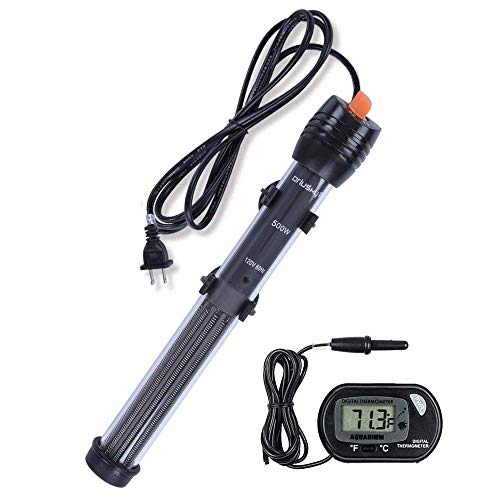
Adjustable Aquarium Heater
Stable warm water supports the immune system and speeds up fin regrowth
Check Price on Amazon

