
Albino Pleco Care: Tank Size, Diet, and What You Need to Know
Learn everything about albino pleco care: tank size, water parameters, diet, and breeding tips. Avoid the #1 beginner mistake with this complete guide.

✓Recommended Gear
The albino pleco is one of the most striking fish in the freshwater hobby. Its ghostly white body and vivid red eyes stand out in any community tank. Best of all, it's far easier to keep than most new fishkeepers expect.
Quick Answer: The most common "albino pleco" in the hobby is the albino bristlenose pleco (Ancistrus cf. cirrhosus). It grows to 4–5 inches and needs at least a 30-gallon tank. It thrives at 72–82°F with a pH of 6.5–7.5. Feed it algae wafers, blanched vegetables, and driftwood. It can live 10–15 years [1].
What Is an Albino Pleco?
"Albino pleco" almost always refers to the albino bristlenose pleco in the aquarium hobby. This fish is a color morph of Ancistrus cf. cirrhosus, native to South American rivers [1]. Breeders selected individuals with reduced melanin — the pigment that gives most plecos their dark, mottled look. The result is a pale cream or white fish with striking red or pink eyes.
That missing pigment makes albino plecos more sensitive to bright lighting than normally colored fish [1]. Dim their tank and provide shaded spots to keep them healthy and comfortable.
Albino Bristlenose vs. Albino Common Pleco
This is the most important distinction every buyer must know. The albino bristlenose stays at a manageable 4–5 inches — ideal for home tanks [2]. The albino common pleco (Hypostomus plecostomus) reaches 18–24 inches and needs 150 gallons or more [3].
Most fish sold as "albino pleco" at pet stores are bristlenose plecos. Always check for bushy bristle-like growths on the snout before buying. Males develop prominent tentacle growths. Females have smaller ones near the mouth edge only.
| Feature | Albino Bristlenose | Albino Common Pleco |
|---|---|---|
| Adult Size | 4–5 inches | 18–24 inches |
| Min. Tank Size | 30 gallons | 150 gallons |
| Lifespan | 10–15 years | 15–20 years |
| Beginner-Friendly | Yes | No |
| Waste Output | Moderate | Very High |
Common Myth: "All albino plecos stay small." Reality: Albino common plecos exceed 18 inches and don't belong in tanks under 100 gallons. Only the albino bristlenose fits standard home setups [3].
Are Albino Plecos Right for Beginners?
Yes — the albino bristlenose is one of the best beginner plecos available. It's hardy, peaceful, and constantly grazes algae off glass and decorations [1]. It tolerates a reasonable water parameter range without crashing.
Seriously Fish notes that bristlenose plecos adapt well to stable aquarium environments [1]. This resilience makes them forgiving for keepers still learning water chemistry. You don't need perfect parameters from day one.
Tank Setup: Size, Water, and Hiding Spots
Albino bristlenose plecos need at least a 30-gallon tank for long-term health. A 40-breeder footprint is even better. These fish spend most of their time on the bottom and glass panels. Albino common plecos require a minimum of 100–150 gallons given their adult size.
Both variants produce significant waste. A powerful filter isn't just recommended — it's essential. Without proper filtration, ammonia spikes quickly and endangers the fish within days.
Check out our guide to the best aquarium filters to find the right fit for your tank size and budget.
Water Parameters
Keep conditions stable within these ranges at all times:
| Parameter | Ideal Range |
|---|---|
| Temperature | 72–82°F (22–28°C) |
| pH | 6.5–7.5 |
| Hardness (GH) | 5–15 dGH |
| Ammonia | 0 ppm |
| Nitrite | 0 ppm |
| Nitrate | <20 ppm |
Albino plecos have eyes without protective pigment. Intense overhead lighting stresses them and washes out their color [1]. Use floating plants, rock overhangs, or dimmer LED panels to reduce light at the substrate level.
Pro Tip: The Fluval 307 canister filter handles the waste output of a 30–55 gallon pleco tank effectively. It provides both mechanical and biological filtration without creating excessive current.
Hides Are Essential, Not Optional
Albino plecos are cave dwellers by nature. Without hiding spots, they stress quickly and refuse food. Add at least 2 hides per fish before the fish even arrives.
Effective options include:
- PVC pipe sections — cheap, effective, and easy to replace
- Ceramic pleco caves (like these on Amazon) — designed specifically for sucker-mouth catfish
- Slate rock stacks — look natural and last indefinitely
- Driftwood — provides shelter and doubles as a dietary supplement [2]
Driftwood deserves special attention. Albino plecos rasp it for lignin, cellulose, and beneficial microorganisms [2]. Most experienced keepers treat driftwood as a dietary requirement, not just decoration.
Substrate and Plants
Use soft sand or smooth-edged gravel to protect their belly skin. Sharp substrate causes abrasions that lead to bacterial infections over time. Live plants like java fern, anubias, and java moss add natural cover without blocking their grazing paths.
Diet: What to Feed Your Albino Pleco
Albino bristlenose plecos are primarily herbivores, but they're actually omnivores [1]. They need a varied diet to thrive long-term. Don't rely on tank algae alone — it's rarely enough to sustain a healthy pleco.
Primary foods:
- Algae wafers — the backbone of their diet. Hikari Algae Wafers sink and stay put, making them ideal for bottom feeders. Feed 1–2 wafers per fish each night.
- Blanched vegetables — zucchini, cucumber, spinach, and sweet potato all work well. Blanch briefly to soften them, then clip to the glass with a veggie clip.
- Driftwood — let them graze freely on submerged pieces [2]
Supplemental protein (2–3 times per week):
- Frozen or freeze-dried bloodworms
- Brine shrimp
- High-quality sinking pellets with plant-based ingredients
Feed once daily, 2–3 hours after lights out. Remove uneaten food within 24 hours to avoid ammonia spikes.
Resource: If your tank struggles with algae from overfeeding, our aquarium algae problems guide covers the 12 most common causes and fixes.
Behavior and Tank Mates
Albino plecos are peaceful but territorial with their own kind. Don't keep two plecos together unless your tank is large enough for separate territories. Each fish needs its own cave.
Good tank mates:
- Tetras (neon, cardinal, rummy nose)
- Rasboras
- Corydoras catfish
- Livebearers (mollies, platys, swordtails)
- Peaceful cichlids (German rams, apistogramma)
Avoid:
- Aggressive cichlids like Oscars or Jack Dempseys
- Large predatory fish
- Other sucker-mouth catfish in small tanks
Albino plecos are most active at night. You'll often see them resting on driftwood or glass panels during the day. Don't mistake stillness for illness — it's completely normal behavior for this species [1].
Breeding Albino Bristlenose Plecos
Breeding albino bristlenose plecos is one of the easiest pleco breeding projects in the hobby [4]. A compatible pair in a well-maintained 30-gallon tank will often breed without any special conditioning.
How to Trigger Spawning
- Lower the temperature slightly — drop to 68–72°F over a few days to simulate the rainy season [4]
- Increase water changes — do 25–30% changes every 2–3 days with slightly cooler water
- Add cave options — males are very territorial about breeding caves. Offer 2–3 options per male.
The Breeding Process
The male selects a cave and cleans it thoroughly before attracting a female. Females lay 20–100 bright orange eggs that stick to the cave roof [4]. The male fans the eggs with his fins for 4–7 days until they hatch.
He continues guarding the fry for another week. The fry absorb their yolk sac and become free-swimming within 10–14 days. Feed fry with powdered algae wafers and blanched vegetables cut into tiny pieces. Move them to a separate grow-out tank once they reach 1 inch if you want to raise large numbers.
Health, Disease, and Common Problems
Albino plecos are hardy, but their lack of pigmentation creates a specific vulnerability. Their eyes are especially sensitive to UV and intense light [1]. Always provide shaded areas in the tank.
Ich (White Spot Disease)
Ich appears as tiny white grains on the skin — like salt sprinkled on the fish. Treat with API Super Ick Cure at half dose for sensitive fish. Raise the temperature to 82°F for 2 weeks. Always remove carbon from the filter before treating.
Bacterial Infections
Ragged fins, skin ulcers, or red streaks indicate bacterial infection. This usually comes from sharp substrate or poor water quality [5]. Fix water parameters first, then treat with a broad-spectrum antibiotic.
Bloating
Bloating usually means constipation from too much protein or overfeeding. Fast the fish for 2–3 days. Then offer blanched cucumber or spinach to get digestion moving again.
Prevention is straightforward: maintain 0 ppm ammonia and nitrite, keep nitrates under 20 ppm, and do weekly 20–25% water changes [5].
Sources
- Seriously Fish — Ancistrus cf. cirrhosus care profile. seriouslyfish.com/species/ancistrus-cf-cirrhosus/ (accessed 2026-04-30)
- Planet Catfish — Ancistrus husbandry and driftwood nutrition notes. planetcatfish.com (accessed 2026-04-30)
- FishBase — Hypostomus plecostomus species database entry. fishbase.org/summary/Hypostomus-plecostomus.html (accessed 2026-04-30)
- Loricariidae Alliance — Bristlenose pleco breeding guide and spawning triggers. loricariidae.com (accessed 2026-04-30)
- Noga, E.J. (2010). Fish Disease: Diagnosis and Treatment (2nd ed.). Wiley-Blackwell. pp. 112–118.
Recommended Gear

Fluval 307 Canister Filter
Handles the heavy waste output plecos produce. Provides both mechanical and biological filtration without creating excessive current that stresses bottom-dwelling fish.
Check Price on Amazon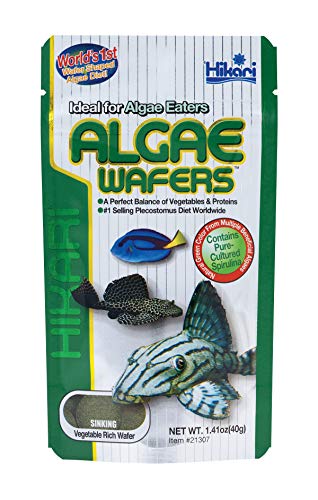
Hikari Algae Wafers
Sinking wafers formulated for herbivorous bottom feeders. High plant content mirrors the natural diet of bristlenose plecos without clouding the water.
Check Price on Amazon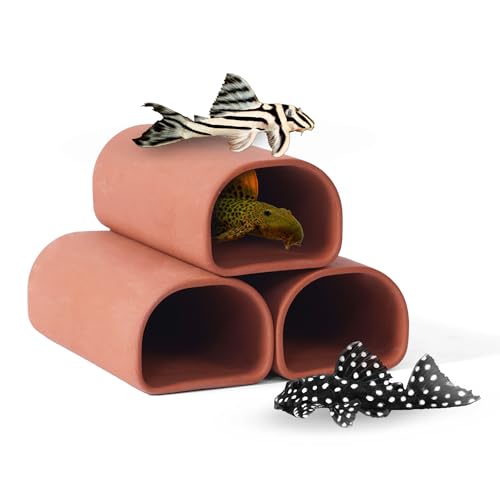
Ceramic Pleco Caves
Albino plecos stress without caves. Ceramic versions are inert, sized correctly for bristlenose plecos, and double as spawning sites when breeding.
Check Price on Amazon
API Super Ick Cure
Effective against ich without harsh ingredients that harm sensitive fish at reduced doses. A must-have in any freshwater fishkeeper's medicine cabinet.
Check Price on Amazon

